Everyday bumps and scrapes: A guide to minor injuries in early years
Everyday bumps and scrapes: A guide to minor injuries in early years
It happens in a split second. One moment, they're happily playing. The next, there's a cry, a tumble, or a collision. Working with young children means minor injuries are part of daily life – scraped knees, bumped heads, trapped fingers, and the occasional bite.
You can't wrap children in bubble wrap. Active play is how they learn, explore, and develop. But you can create an environment that reduces risks while knowing exactly what to do when those inevitable accidents happen.
Common minor injuries in early years settings
If you work in early years, you'll recognise the pattern. Certain injuries come up again and again!
- Falls and bumps are almost daily occurrences. Toddlers are still mastering balance. Preschoolers test their physical limits. Even school-age children in wraparound care can misjudge distances or trip over their own feet.
- Cuts and grazes happen frequently. Rough surfaces, outdoor play equipment, craft scissors, or collision with furniture edges all create opportunities for minor wounds.
- Trapped fingers catch you off guard. Doors, gates, toy boxes, and play equipment can catch little fingers that move faster than their awareness.
- Bites and scratches occur when children struggle to communicate frustration or compete for resources. These need careful handling for both the injured child and the one who caused the injury.
- Splinters are outdoor play's unwelcome gift. Wooden equipment, bark chippings, or even wooden toys can leave tiny fragments under the skin.
Prevention: reducing risks without eliminating play
Risk assessments aren't about stopping children from climbing, running, or exploring. They're about spotting genuine hazards and removing unnecessary dangers.
- Check your environment daily. Loose carpet edges, wobbly furniture, broken equipment, or slippery surfaces all need addressing immediately. Morning walkthroughs catch problems before children arrive.
- Maintain outdoor spaces properly. Worn play equipment, protruding nails, or damaged safety surfaces create preventable injuries. Regular inspections and prompt repairs make a difference.
- Match supervision to the activity. Water play, climbing frames, or rough-and-tumble games need staff positioned where they can step in quickly if things escalate.
- Teach children about their bodies and boundaries. Age-appropriate conversations about safe play, respecting space, and recognising their limits help prevent many injuries. Children who understand risks make better choices.
- Keep walkways clear. Toys, bags, or equipment left in thoroughfares create tripping hazards. Maintaining clear pathways reduces collision and fall risks.
When minor injuries happen: your immediate response
How you respond to an injury matters enormously, both for the child's physical recovery and their emotional wellbeing.
- Stay calm. Children look to adults to gauge how worried they should be. Your composed response helps them feel safe even when they're hurt or frightened.
- Assess the injury quickly. Is this genuinely minor, or does it need medical attention? Most bumps and scrapes can be handled in-setting but knowing when to escalate is crucial.
- Clean wounds properly. Running water and gentle cleaning remove dirt and reduce infection risk. Use sterile wipes or gauze for drying, never towels used by multiple children.
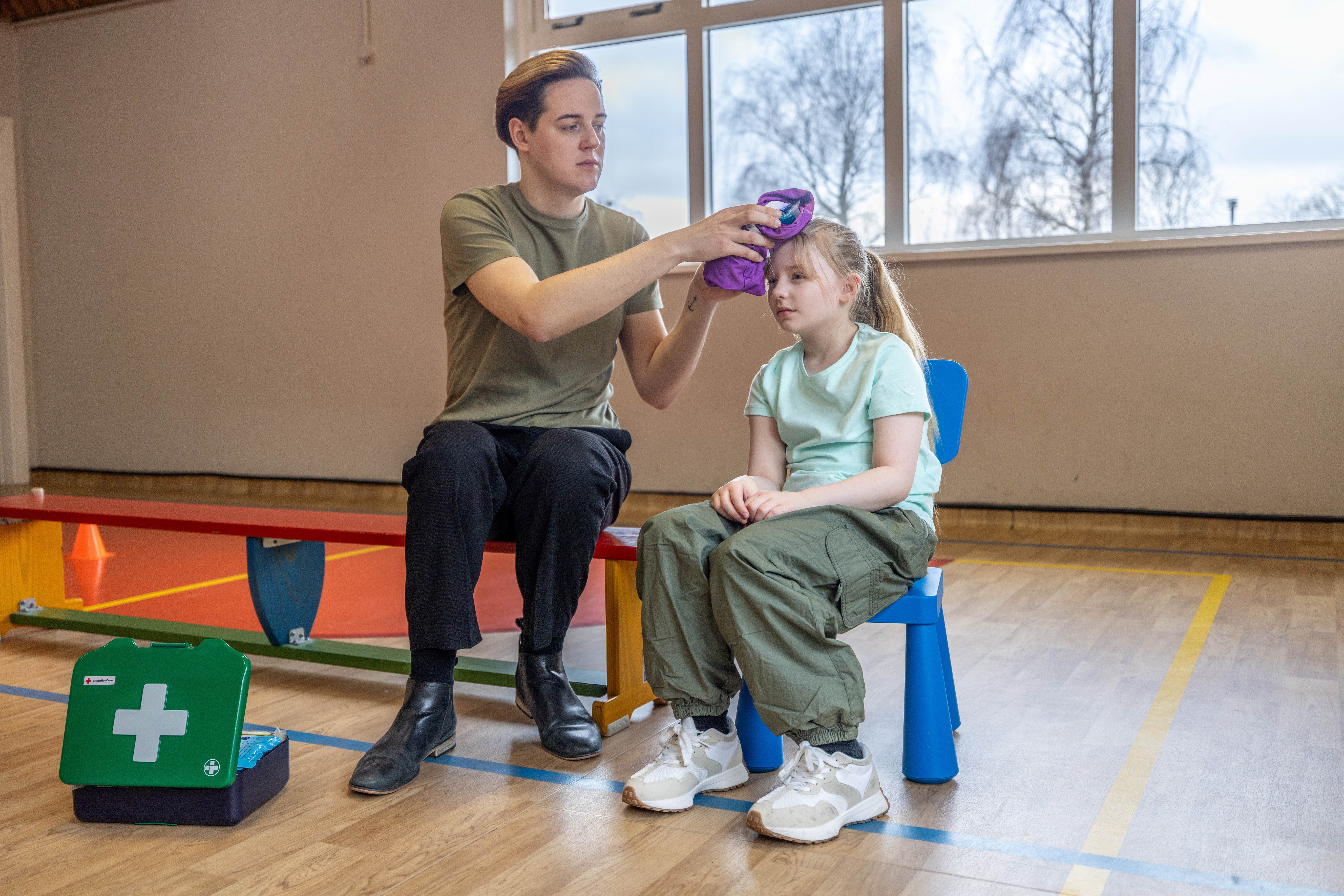
- Apply appropriate first aid. Cold compresses for bumps, plasters for small cuts, elevation for minor swelling. Keep your first aid training current so these responses become automatic.
- Comfort matters as much as treatment. Some children need cuddles. Others prefer space. Reading each child's needs and responding accordingly helps them feel secure and supported.
The paperwork: why accident records matter
Nobody loves admin, but accident records serve important purposes. They're not just compliance box-ticking.
Document every injury. Include what happened, where, when, who was involved, what action you took, and who you informed. Detail matters if questions arise later.
Tell parents immediately for head injuries. Even minor head bumps should be reported the same day. Call parents straight away, or as soon as reasonably practicable, and then follow up with a written accident record.
Look for patterns. If the same child keeps getting hurt, or injuries happen repeatedly in one area, your records reveal this. Patterns help you identify whether there's a developmental concern, environmental hazard, or supervision gap.
Protect your setting and your staff. Thorough records demonstrate you acted appropriately if a parent later raises concerns or makes a complaint.
Supporting children emotionally after injuries
Physical healing is only part of the picture. Children need emotional support too.
Some children bounce back immediately. Others become anxious about the activity or place where they were hurt. Watch for changes in behaviour – reluctance to play outside, avoiding certain equipment, or increased clinginess might signal they're processing the experience.
Talk about what happened in simple, honest terms. "You fell off the climbing frame and bumped your knee. It hurt, but you're safe now." This helps children make sense of the incident without developing exaggerated fears.
Praise their bravery appropriately. "You were very brave when we cleaned that graze" acknowledges their courage without suggesting they shouldn't express pain or fear.
For biting or scratching incidents, both children need support. The injured child needs comfort and reassurance. The child who caused the injury needs help understanding the impact of their actions and learning better ways to express themselves.
When minor injuries require medical attention
Most bumps and scrapes heal quickly without medical intervention. But some situations need professional assessment.
The NHS advises taking your child to A&E or a minor injuries unit if:
- They have a leg or arm injury and cannot use the limb
- Cuts keep bleeding after 10 minutes of pressure or have gaps between the wound edges
- There's something embedded in a cut (like glass) that you cannot safely remove
- Burns or scalds cover an area larger than the child's hand
- They've swallowed something harmful
Call an ambulance if a child:
- Stops breathing or struggles for breath
- Is unconscious or seems unaware of what's going on
- Has a fit for the first time
- Has a cut that will not stop bleeding
If you're worried but unsure whether the child needs medical help, call NHS 111 for guidance.
Trust your paediatric first aid training and follow your setting’s procedures for deciding when to escalate. If something feels wrong, get it checked.
First aid training: your professional responsibility
The EYFS Statutory Framework requires that at least one person with a current paediatric first aid certificate must be on the premises and available at all times when children are present. But meeting bare minimum compliance isn't enough.
More trained staff means better coverage. When one first aider is out ill or on their break, others can respond immediately to injuries.
Keep training current. Paediatric first aid certificates must be renewed every three years. Annual refreshers help skills stay sharp and confidence stay high.
Practice scenarios regularly. Theoretical knowledge doesn't always translate smoothly to real situations when a distressed child needs immediate help. Practising realistic scenarios also makes it easier to stay calm and effective when a real child is distressed and needs help quickly.
Paediatric first aid training
Everyday bumps and scrapes will always be part of early years life. What matters is how well prepared you and your team are to prevent what you can, respond calmly when accidents happen, and reassure parents that their children are in safe hands.
If you are a Morton Michel policyholder, you can access discounted support to help with this. Our ChildCare Club offers a 10% discount on the British Red Cross’s paediatric first aid courses, helping you
Sources
Statutory framework for the early years foundation stage (DfE), safeguarding and welfare requirements and paediatric first aid sections, GOV.UK
NHS, When to get medical help for your child and related guidance on cuts, burns and swallowed objects, nhs.uk
Health and Safety Executive & Play Safety Forum, Managing Risk in Play Provision: Implementation Guide
Child Accident Prevention Trust (CAPT) - guidance on everyday childhood injuries and active play
HSE - incident and accident reporting in education settings
Information in this article is for general guidance only and does not replace professional medical advice or your statutory responsibilities. Always follow your setting’s policies and current regulatory requirements.
Morton Michel’s ChildCare Club is provided as an additional benefit and does form part of our FCA regulated products and may be changed or withdrawn at any time.