British Red Cross: First Aid for a Diabetic Emergency
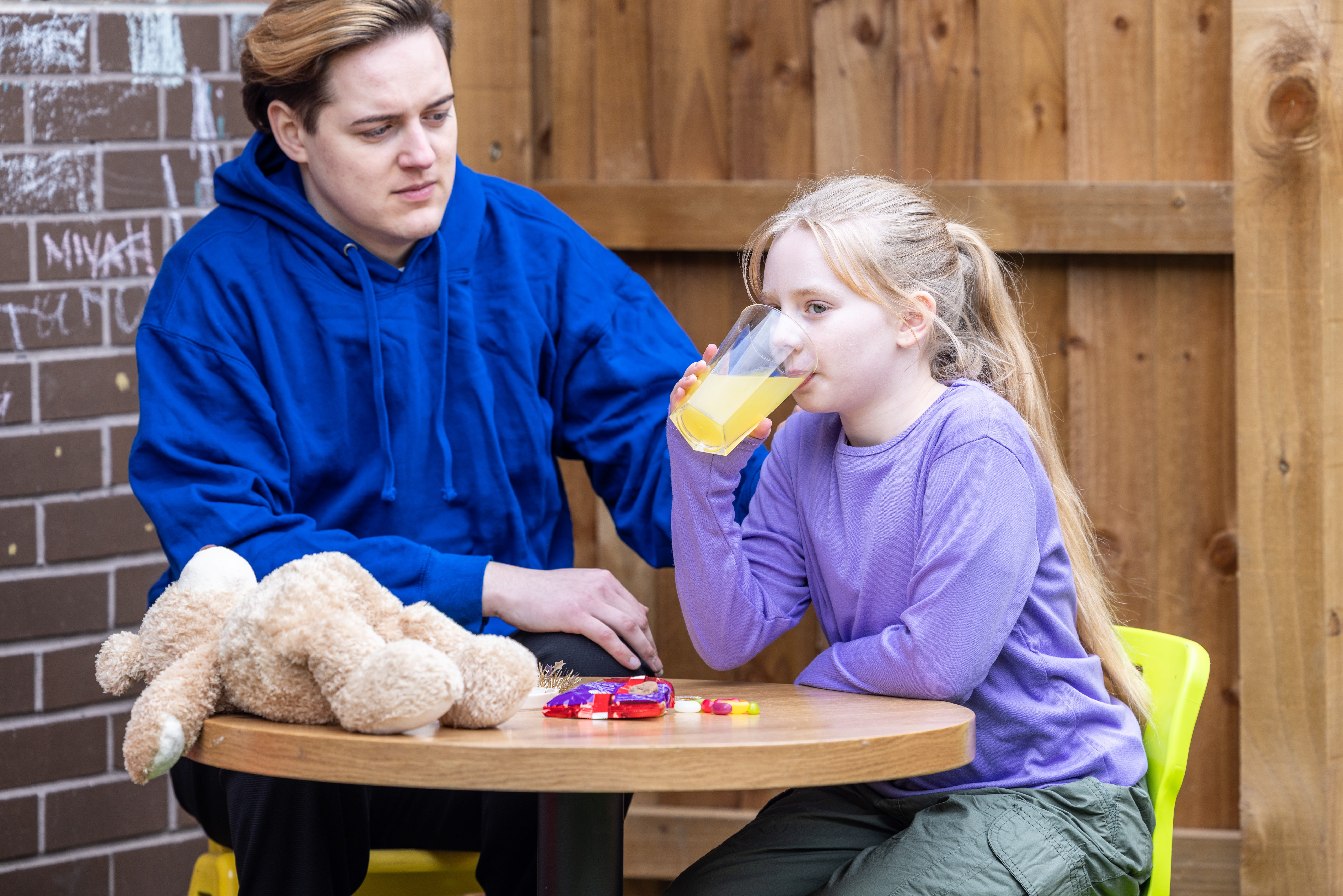
British Red Cross: How to help with a diabetic emergency
As the weather gets warmer, the children in your setting will be spending more time outdoors, running around and being active. For those children in your care with diabetes, heat and extra activity can affect their blood sugar levels, which may result in a diabetic emergency (hypoglycaemia), which requires help from a first aider. Younger children may not be able to explain any signs or symptoms, so it’s important that your team know the signs and follow the child’s care plan.
Signs and symptoms
The most common signs and symptoms include feeling hungry, weak or faint and having clammy or sweaty skin. They may feel drowsy or confused and if you know the person you may notice that they are behaving strangely or acting irrationally.
How to help:
1. Help them to sit down and give them something sugary to eat or drink.
A sudden drop in blood sugar can cause confusion, dizziness, or collapse. Immediate action is crucial. Offering sugary food or drink, such as juice or glucose tablets, can help restore balance and improve their condition.
2. Stay with them to make sure they respond to the sugar. As they start to recover, give them more sugar.
3. Help them to rest until they feel better.
You may want to test their blood sugar using their glucose testing.
Paediatric first aid training
Our two-day EYFS compliant first aid course is ideal for people who work with young children, such as nursery staff or childminders. Book online today!
Don't forget, if you're a Morton Michel policyholder you can get 10% discount on the British Red Cross' paediatric training courses through our exclusive ChildCare Club. Find out more.
Please note, the information in this article is provided by the British Red Cross and does not represent the views or opinions of Morton Michel.